When it comes to protecting your property, your locks are your first line of defence. But with so many options available, it can be difficult to know which type of lock is right for your home.
This guide breaks down the most common lock types in the UK and helps you understand what offers the best security.
Why Your Locks Matter
Many Braintree homeowners don’t realise that having the wrong type of lock can affect both security and insurance. In fact, most insurers require locks that meet British Standards such as BS3621 for external doors.
Upgrading your locks not only improves safety but also gives you peace of mind that your home is properly protected.
Common Types of Door Locks
Here are the most widely used locks across UK homes:
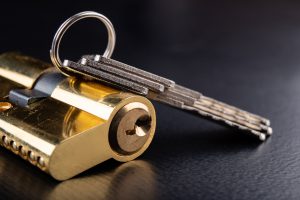
1. Euro Cylinder Locks
Typically found on uPVC and composite doors, these are one of the most common lock types. Upgrading to anti-snap or 3-star versions significantly improves security against break-ins.
2. Mortice Deadlocks (BS3621)
Usually fitted to wooden doors, these are strong, reliable locks and are often required for insurance compliance.
3. Multi-Point Locking Systems
Common on modern doors, these lock at multiple points along the frame, making forced entry much more difficult.
4. Night Latches (Yale Locks)
Often used as a secondary lock, these provide convenience but should be paired with a more secure lock for full protection.
What Makes a Lock Secure?
Not all locks are created equal. The most secure locks typically:
- Meet British Standards (e.g. BS3621 or TS007 3-star)
- Are properly fitted and maintained
- Protect against common methods like snapping, drilling, and picking
Even a high-quality lock can be vulnerable if it’s poorly installed.
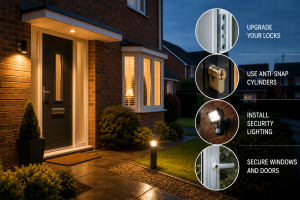
Simple Tips to Improve Your Home Security
Alongside choosing the right locks, there are a few easy ways to improve your security:
- Always lock doors and windows, even when at home
- Keep keys out of sight and away from doors
- Upgrade older locks to modern, secure alternatives
- Consider additional security like sash jammers or door chains
When to Call a Locksmith
If you’re unsure what locks you have or whether they meet current standards, it’s always best to get professional advice.
A qualified locksmith can assess your property, recommend upgrades, and ensure everything is fitted correctly for maximum security.
Final Thoughts
Choosing the right lock doesn’t have to be complicated. By understanding the basics and ensuring your locks meet recognised standards, you can significantly reduce the risk of break-ins.
If you’re looking to upgrade your home security in Braintree, Darren’s expert help is just a call away.