GuidesBritish Standard Locks & Insurance Requirements: A Complete Guide
British Standard Locks & Insurance Requirements: A Complete Guide
When it comes to protecting your property, having the right locks isn’t just about security—it’s often a requirement of your home insurance policy. Many insurers in the UK specify that doors and windows must be fitted with British Standard (BS) approved locks. Failing to meet these requirements could invalidate your cover.
What Are British Standard Locks?
British Standard locks are independently tested to meet strict security and durability criteria. Locks that meet these standards are marked with a BS Kitemark, showing they comply with recognised safety benchmarks.
The most common standards include:
BS3621 – Typically required for external wooden doors (key-operated mortice locks)
BS8621 – Similar to BS3621 but allows keyless exit (safer in emergencies)
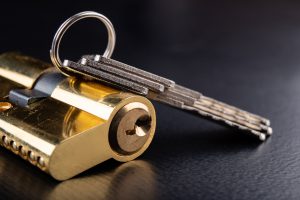
BS10621 – For cylinder locks, often used in uPVC and composite doors
Why Do Insurers Require Them?
Insurance providers specify British Standard locks because they:
Reduce the risk of forced entry
Meet proven security testing criteria
Lower the likelihood of theft claims
If your locks don’t meet the required standard, your insurer may:
Reject a claim after a break-in
Reduce your payout
Void your policy entirely
Common Insurance Requirements
While policies vary, many insurers expect:
A BS3621 mortice deadlock on all external timber doors
A 5-lever mortice lock (not 3-lever)
Approved anti-snap cylinder locks on uPVC or composite doors
Key-operated locks on accessible windows
Always check your specific policy wording to confirm exactly what’s required.
How to Check Your Locks
You can usually identify a British Standard lock by:
A Kitemark symbol stamped on the faceplate or cylinder
A code such as “BS3621” engraved on the lock
Manufacturer documentation confirming compliance
If you’re unsure, a professional locksmith can quickly assess your current setup.
Upgrading Your Locks
If your locks don’t meet insurance standards, upgrading is straightforward and highly recommended. A qualified locksmith can:
Replace outdated locks with BS-approved models
Upgrade cylinders to anti-snap, anti-drill, and anti-pick versions
Ensure all entry points meet your insurer’s requirements
Additional Security Tips
To further protect your home and stay compliant:
Keep doors locked even when you’re inside
Don’t leave keys in locks or visible near doors/windows
British Standard locks are more than just a security upgrade—they’re often essential for keeping your insurance valid. Ensuring your property meets these requirements gives you peace of mind that your home is both protected and fully covered.
If you’re unsure whether your locks meet current standards, it’s always best to get expert advice and upgrade where necessary.